Winter fashion tells a story about the city where it thrives. Parisian and New York winter outfits reflect two distinct urban cultures, each shaped by different lifestyles, climates, and fashion philosophies.
While both cities experience cold winters, the way residents dress reveals contrasting approaches to style, practicality, and self-expression. Understanding these differences offers insight into what makes each city’s winter wardrobe unique and how geography, culture, and daily routines shape what people wear when temperatures drop.
The distinction between these two fashion capitals goes beyond simple aesthetics. Parisian winter style emphasizes understated elegance and timeless pieces, while New York embraces bold functionality and layered versatility.
These approaches stem from different urban landscapes, weather patterns, and cultural attitudes toward fashion itself.
Climate Considerations Shape Different Wardrobes
Paris winters hover around 3-7°C (37-45°F), with frequent rain and occasional snow. The cold feels damp and penetrating rather than biting. This climate calls for wool coats, cashmere scarves, and water-resistant footwear. Parisians prioritize fabrics that handle moisture while maintaining elegance.
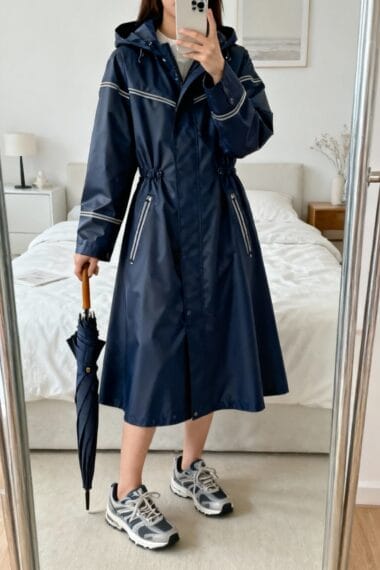
New York winters are significantly harsher, with temperatures often dropping below freezing and averaging -3 to 4°C (27-39°F). The city experiences bitter winds, heavy snow, and ice. New Yorkers require serious insulation through puffer jackets, thermal layers, and waterproof boots designed for slush-covered streets. The weather demands practical protection that Parisian winters simply don’t require.
Wind chill factors differ dramatically between the two cities. New York’s grid layout creates wind tunnels between tall buildings, making the cold feel more intense. Paris, with its lower buildings and irregular street patterns, experiences less severe wind conditions. This environmental difference directly impacts outerwear choices and layering strategies.

The Foundation: Base Layers and Core Pieces
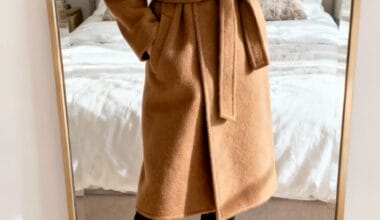
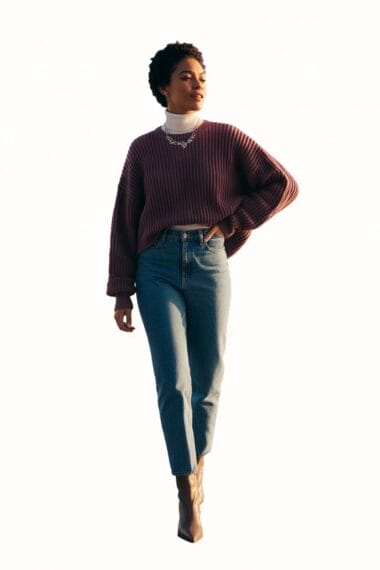
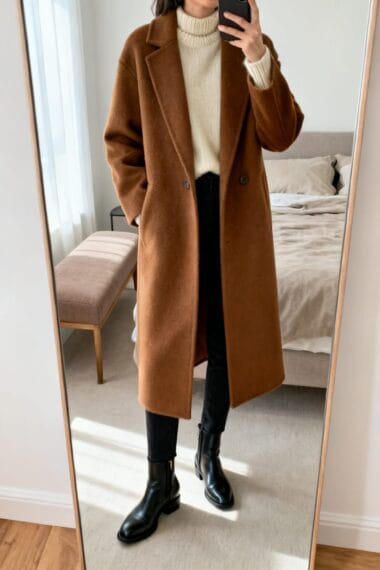
Parisian winter wardrobes build around quality over quantity. The typical foundation includes a well-tailored wool coat in black, navy, or camel, paired with slim-fit trousers or dark jeans. Underneath, Parisians favor fine-knit sweaters in neutral tones, often cashmere or merino wool. The silhouette remains streamlined and polished.
New York winter basics prioritize functionality and layering capacity. The foundation consists of thermal underlayers, fleece-lined leggings, and heavyweight sweaters. Over these, New Yorkers add mid-layers like hoodies or cardigans before donning their outer shell. The approach creates bulk that Parisians typically avoid, but provides necessary warmth for brutal commutes.
Key differences in base wardrobe pieces include:
- Coat length: Parisians prefer knee-length wool coats; New Yorkers opt for longer puffer coats or parkas
- Sweater weight: Parisian sweaters are thinner and more refined; New York sweaters are chunkier and warmer
- Pant fit: Paris favors tailored, slim cuts; New York accommodates looser fits for thermal layers underneath
- Fabric priorities: Paris emphasizes natural fibers like wool and cashmere; New York incorporates more synthetic insulation materials
Outerwear Philosophy: Elegance Versus Armor
The most visible difference appears in outerwear choices. Parisians treat coats as statement pieces that define the entire outfit. A classic wool peacoat, trench coat, or structured overcoat serves as both protection and the outfit’s focal point. These coats maintain clean lines and sophisticated silhouettes, never appearing bulky or overly casual.
New Yorkers view winter coats as essential survival equipment. Puffer jackets, down parkas, and technical outerwear dominate sidewalks. Brands like Canada Goose, The North Face, and Patagonia are ubiquitous. These coats sacrifice elegance for warmth, often extending past the hips and featuring prominent logos. The aesthetic is athletic and practical rather than refined.
Color preferences also diverge. Parisian coats typically come in black, navy, gray, or camel—colors that coordinate effortlessly with any outfit. New York winter coats appear in brighter colors and varied patterns, partly because they’re worn constantly and become the outfit itself rather than an accent to it.
Footwear: Leather Boots Versus Winter Warriors
Parisian winter footwear leans toward leather ankle boots and knee-high boots with modest heels. These boots handle light rain and cold pavement while maintaining elegance. Brands like Isabel Marant and A.P.C. exemplify the Parisian boot aesthetic—understated, high-quality, and versatile enough to transition from day to evening.
New York demands serious winter boots with traction and waterproofing. Sorel boots, Timberlands, and insulated combat boots are standard. Many New Yorkers adopt a practical strategy: wearing heavy boots for the commute, then changing into nicer shoes at the office. This two-shoe system is rare in Paris, where one pair suffices for the entire day.
The difference extends to maintenance expectations. Parisian boots are treated as investment pieces requiring regular care. New York winter boots are expected to endure salt stains, slush, and rough treatment, often replaced more frequently due to harsh conditions.
Accessories: Minimal Elegance Versus Maximal Protection
Parisian winter accessories follow the less-is-more principle. A quality cashmere scarf, leather gloves, and perhaps a wool beret complete the look. These pieces coordinate with the coat and overall outfit in neutral, complementary tones. The scarf becomes an art form—draped with studied casualness that appears effortless.
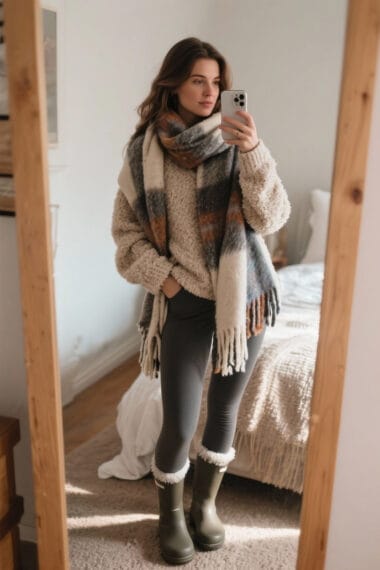
New Yorkers pile on accessories for genuine warmth rather than aesthetic effect. Thick knit beanies, insulated gloves, fleece-lined scarves, and even face masks during extreme cold are common. Layering multiple accessories is acceptable and often necessary. The priority is covering exposed skin rather than achieving visual harmony.
Bag choices reflect these different priorities. Parisians carry structured leather handbags or crossbody bags that maintain the polished aesthetic. New Yorkers often opt for backpacks or larger totes that accommodate gym clothes, lunch, and the layers they’ll remove indoors.
Color Palettes and Pattern Preferences
The Parisian winter palette remains neutral and monochromatic—black, gray, navy, camel, and white dominate. Patterns are minimal, with occasional stripes or subtle checks. This restraint creates a sophisticated, timeless appearance that never looks dated. The uniform quality of Parisian winter style stems partly from these shared color preferences.
New York winter fashion embraces broader color variety and bolder patterns. Bright puffer jackets in red, green, or purple stand out against gray city backgrounds. Plaid, buffalo check, and graphic patterns appear frequently. This diversity reflects New York’s multicultural population and individualistic fashion culture where standing out is celebrated rather than avoided.
The Lifestyle Factor: Transportation and Daily Routines
These style differences connect directly to how people move through each city. Parisians walk shorter distances, use the Metro extensively, and spend more time in cafés and indoor spaces where their coats come off. Their outfits need to look polished when the coat is removed, so what’s underneath matters as much as the outerwear.
New Yorkers often face longer commutes, extended outdoor waiting times, and more exposure to the elements. Many walk significant distances between subway stations and destinations. Their outfits prioritize surviving the journey, with less concern for how the layers look when partially removed. The coat rarely comes off in public, so what’s underneath is secondary to the outer shell’s performance.
Both cities have developed winter fashion codes that make perfect sense within their specific contexts. Parisian style works beautifully for Paris winters—elegant, practical for the climate, and aligned with cultural values around understated sophistication. New York style serves its environment equally well—protective, versatile, and suited to a harsher climate and more dynamic urban pace. Neither approach is superior; each represents an intelligent response to different environmental demands and cultural priorities. The real difference lies not in right or wrong, but in how fashion adapts to the unique character of the city it serves.